
Scaling Up Biologics: Why Peptone Quality Dictates Fermentation Success
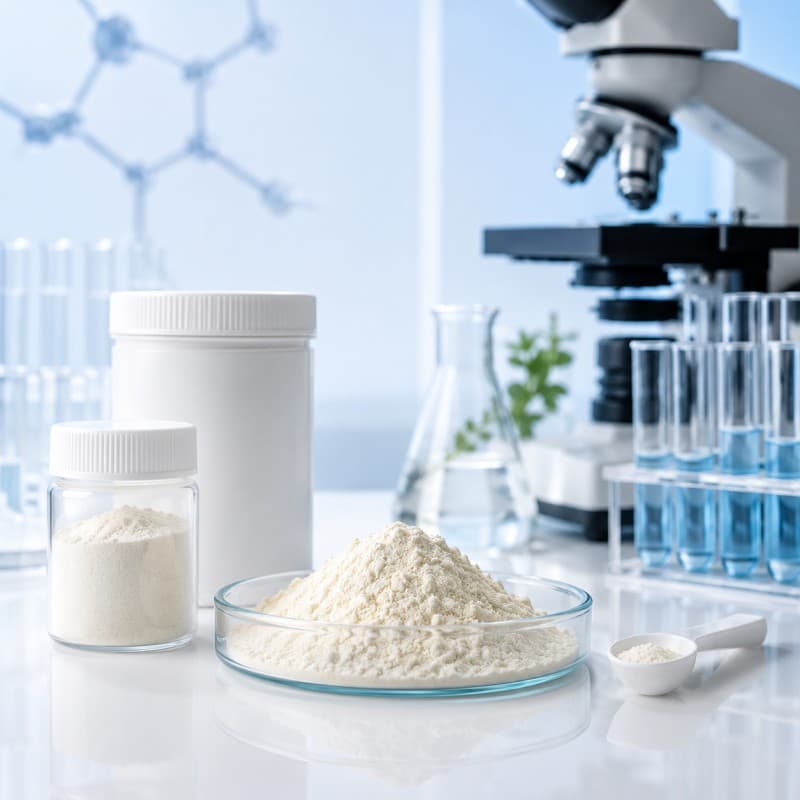
In the high-stakes arena of industrial biomanufacturing, immense capital is poured into engineering the perfect microbial strain and designing state-of-the-art bioreactors. However, even the most advanced facility cannot outpace the limitations of its fermentation media. At the core of this media lies industrial-grade peptone—a critical variable that can make or break your production yield.
01 Overcoming Fermentation Bottlenecks
In large-scale bioprocessing, carbon sources (like glucose) provide the energy, but nitrogen is the essential building block for cellular biomass and recombinant protein expression. When a microbial culture reaches high cell density, nitrogen depletion frequently triggers a premature halt in the exponential growth phase. High-performance peptones deliver a highly optimized ratio of low-molecular-weight peptides and free amino acids. This specific nutritional profile acts as a metabolic catalyst, effectively extending the stationary phase and significantly boosting the titer of secondary metabolites and target proteins.
02 The Criticality of Batch-to-Batch Consistency
"Unpredictable yields are the enemy of biomanufacturing scale-up. If your raw materials fluctuate, your entire downstream process is compromised."
One of the most persistent nightmares for production managers is the "lot-to-lot" variability of biological nitrogen sources. A slight change in the peptide chain length distribution can lead to excessive foaming, altered pH profiles, or a sudden drop in productivity. Leading manufacturers mitigate this by implementing rigid quality control frameworks:
- Standardized Raw Sourcing: Securing dedicated supply chains for raw materials (e.g., non-GMO soybeans or specific dairy farms).
- Molecular Weight Fingerprinting: Utilizing High-Performance Liquid Chromatography (HPLC) to ensure the peptide profile of every batch perfectly matches the master standard.
03 Regulatory Shifts Driving Animal-Free Media
The regulatory landscape for pharmaceuticals and advanced therapeutics has fundamentally shifted. Due to the lingering global concerns surrounding Transmissible Spongiform Encephalopathies (TSE) and Bovine Spongiform Encephalopathy (BSE), major health agencies like the FDA and EMA are increasingly stringent about animal-derived components.
| Traditional Media | Modern Alternative | Key Advantage |
|---|---|---|
| Tryptone (Bovine/Porcine) | Soy Peptone | High carbohydrate content, excellent for general fermentation. |
| Meat Extract | Pea/Wheat Peptone | Completely TSE/BSE free, simplified regulatory compliance. |
| Brain Heart Infusion | Yeast Extract Blends | Rich in B-vitamins, driving high-density cell cultures naturally. |
Transitioning to fully plant-based or microbial-derived peptones is no longer merely an option for biopharma—it is a strategic necessity for long-term compliance and global market access.
04 Future-Proofing with Custom Nitrogen Sources
The era of one-size-fits-all fermentation media is ending. As synthetic biology tackles more complex pathways, the demand for tailored nutritional strategies is surging. Forward-thinking biomanufacturers are now collaborating directly with peptone producers to develop bespoke nitrogen blends. By analyzing the specific metabolic bottlenecks of proprietary engineered strains, suppliers can formulate custom-milled, finely tuned peptone cocktails that maximize downstream processing efficiency and ultimately lower the cost per gram of the final biological product.
Download Our 2026 Peptone Selection Guide
Want to learn more about industry standards? Get our free buyer's guide with technical comparison charts and application recommendations.
Get Free Guide