
The Unsung Hero of the Lab: A Beginner's Guide to Peptone
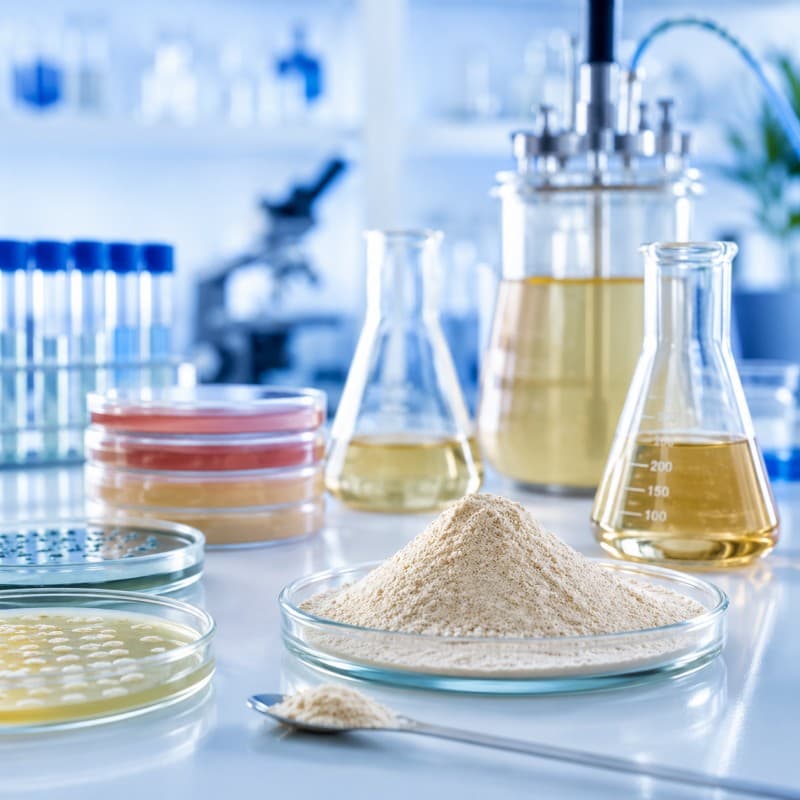
If you have ever wondered how scientists grow bacteria for research, or how the probiotics in your morning yogurt are cultivated, you are about to discover the secret ingredient. It is a fundamental component of microbiology, yet rarely makes headlines. Welcome to the fascinating world of peptone.
01 The "Pre-Chewed" Meal for Microbes
To understand peptone, we first need to look at how microscopic life eats. While humans have complex digestive systems to break down a hearty steak, most bacteria and fungi lack the biological tools to consume large, intact protein molecules.
Think of a whole protein as a locked treasure chest of nutrients. Peptone is essentially that chest already broken open. Through a manufacturing process called hydrolysis, massive protein chains are chopped into bite-sized pieces—specifically, peptides and free amino acids. This provides microorganisms with an instant, ready-to-consume nitrogen source, allowing them to thrive and multiply rapidly without expending extra energy on digestion.
02 How is This Biological Superfood Made?
The creation of peptone is a delicate art of controlled destruction. Manufacturers typically use two main methods to break down the raw protein:
- Enzymatic Digestion: Using natural enzymes (like pepsin from animals or papain from papayas) to gently snip the protein chains. This method preserves sensitive vitamins and growth factors, resulting in a highly nutritious broth.
- Acid Hydrolysis: Utilizing strong acids and high heat to aggressively break down the protein. While this method destroys some vitamins (like tryptophan), it creates a very pure and consistent product often needed for highly specific laboratory tests.
03 The Primary Varieties on the Market
Not all microbes have the same dietary preferences. To cater to these picky eaters, scientists have developed several distinct "flavors" of peptone:
- Meat & Bone Peptones: The classic choice. Highly nutritious and perfect for demanding, fastidious bacteria.
- Casein Peptones: Derived from milk protein. Known for being incredibly clear in liquid solutions, making it ideal for visual laboratory diagnostics.
- Plant-Based Peptones: Extracted from soy, wheat, or peas. These are rapidly growing in popularity because they eliminate the risk of animal-borne diseases.
04 Beyond the Petri Dish
While it sounds like a niche laboratory chemical, peptone impacts your daily life in surprising ways. It is the foundational raw material used to mass-produce life-saving antibiotics, vital vaccines, and even the yeast extracts that flavor your favorite snacks. The next time you take a daily vitamin or use a medical diagnostic test, remember the invisible, nutrient-rich broth that made it all possible.
Download Our 2026 Peptone Selection Guide
Want to learn more about industry standards? Get our free buyer's guide with technical comparison charts and application recommendations.
Get Free Guide